Gifts
Gift ideas, red envelope etiquette, tea sets, decor, and keepsakes.
How to use this category page before making a decision
Gifts is part of Chinese Wedding Traditions Guide, a focused site for readers who need useful cultural context and practical next steps. Gift ideas, red envelope etiquette, tea sets, decor, and keepsakes. The page should help a visitor understand the topic, compare the main choices, and decide where to continue without forcing them into a purchase or a rigid interpretation.
The first rule is to separate meaning from action. A cultural symbol, number, dream, ceremony, tea blend, or reading can be meaningful, but the visitor still needs a practical filter. The useful filter is simple: what is the situation, what does the reader already know, what are they comparing, and what would be a reasonable next step after reading?
Use this gifts category as a starting point, not as a final decision. Read the short summary first, compare the cards or tool options, then open the most specific guide for the wedding detail you are planning. This keeps the page useful for couples, guests, and family members who need a clear next step rather than a long generic explanation.
What to check first
Start with the reader's intent. Some visitors want a quick tool result, some want a buying guide, some want a cultural explanation, and some are comparing products or reports. If the visitor is uncertain, send them to Chinese Wedding Tradition Checklist first, then use the result as a prompt to read one or two related guides. This keeps the site useful before the reader chooses a product, report, or contact path.
The second check is evidence quality. A page should avoid absolute claims, fixed predictions, exaggerated product promises, and vague advice. It should explain common patterns, mention limits, and give the visitor a way to verify details. This matters for ads, affiliate links, paid reports, and long-term trust.
The third check is fit. A gift, report, ceremony plan, number reading, dream note, tea bag choice, or cultural guide should fit the user's context. Budget, language, region, family habits, taste, and timing all affect the right choice. A useful site gives options instead of pretending one answer works for everyone.
Related paths on this site
Categories to compare
- Traditions: Tea ceremony, betrothal gifts, red envelopes, wedding colors, and family etiquette.
- Planning: Timelines, checklists, modern adaptations, and bilingual wedding notes.
- Gifts: Gift ideas, red envelope etiquette, tea sets, decor, and keepsakes.
Tools to test
- Chinese Wedding Tradition Checklist: Choose which customs to include in a modern wedding.
- Tea Ceremony Planner: Plan people, order, items, and timing.
- Red Envelope Guide: Understand red envelope etiquette by relationship and setting.
If this topic is product-oriented, read the product cards as comparison prompts rather than final recommendations. Physical products, digital downloads, or paid reports should be evaluated after the page explains quality signals clearly. That keeps the site useful as an information resource instead of a thin storefront.
Offer and product checks
- Double happiness decor set: Affiliate-ready decor slot for red-gold wedding styling.
- Tea ceremony tray set: Product slot for ceremony accessories.
- Wedding red envelope pack: Practical product card for guest and family use.
- Chinese wedding checklist printable: Virtual product slot for planning downloads.
Common mistakes to avoid
Do not treat a tool result as a final answer. The result is a starting point for reflection, planning, comparison, or product research. Do not treat cultural language as a medical, legal, financial, or safety claim. Do not add product links that the page has not earned through explanation. Do not hide important limitations at the bottom of the page.
Another mistake is making every page look identical. The layout can be consistent, but each page needs a clear topic, relevant links, and a reason to exist. This category page connects Gifts to practical guide articles, category pages, tools, FAQ, and related reader resources.
Page quality standard
A useful page should pass a simple quality review. The title should match a real search intent. The first paragraph should answer the main question directly. The body should explain context, comparison points, limitations, and next actions. The page should have internal links to at least one guide, one category, one tool, and one relevant resource area when appropriate.
The page should also feel finished. Images need stable dimensions, headings need clear hierarchy, and product or report language should be specific without becoming aggressive. A visitor should feel that the page was written to help them make a better choice, not merely to fill a navigation slot. This standard keeps each section useful on its own.
Recommended next step
For a quick result, open Chinese Wedding Tradition Checklist. For research, choose one of the related guides below. For product or paid-report planning, use the offer checks above and compare them with the FAQ. The strongest path is not the shortest path; it is the path that helps the reader understand enough before clicking a product, report, or contact link.
- Chinese Wedding Tea Ceremony: A Practical Guide Traditions
Who participates, what is prepared, and how modern couples adapt the ritual.
- Chinese Wedding Gift Ideas for Modern Couples Gifts
How to choose gifts that respect culture and still feel useful.
- Red Envelope Etiquette for Chinese Weddings Traditions
A careful guide to meaning, presentation, and context without fixed money promises.
- Modern Chinese Wedding Checklist Planning
A planning framework for couples blending Chinese customs with a modern ceremony.
- Traditions: A Beginner Guide Traditions
A practical introduction to traditions with examples, cautions, and clear next steps.
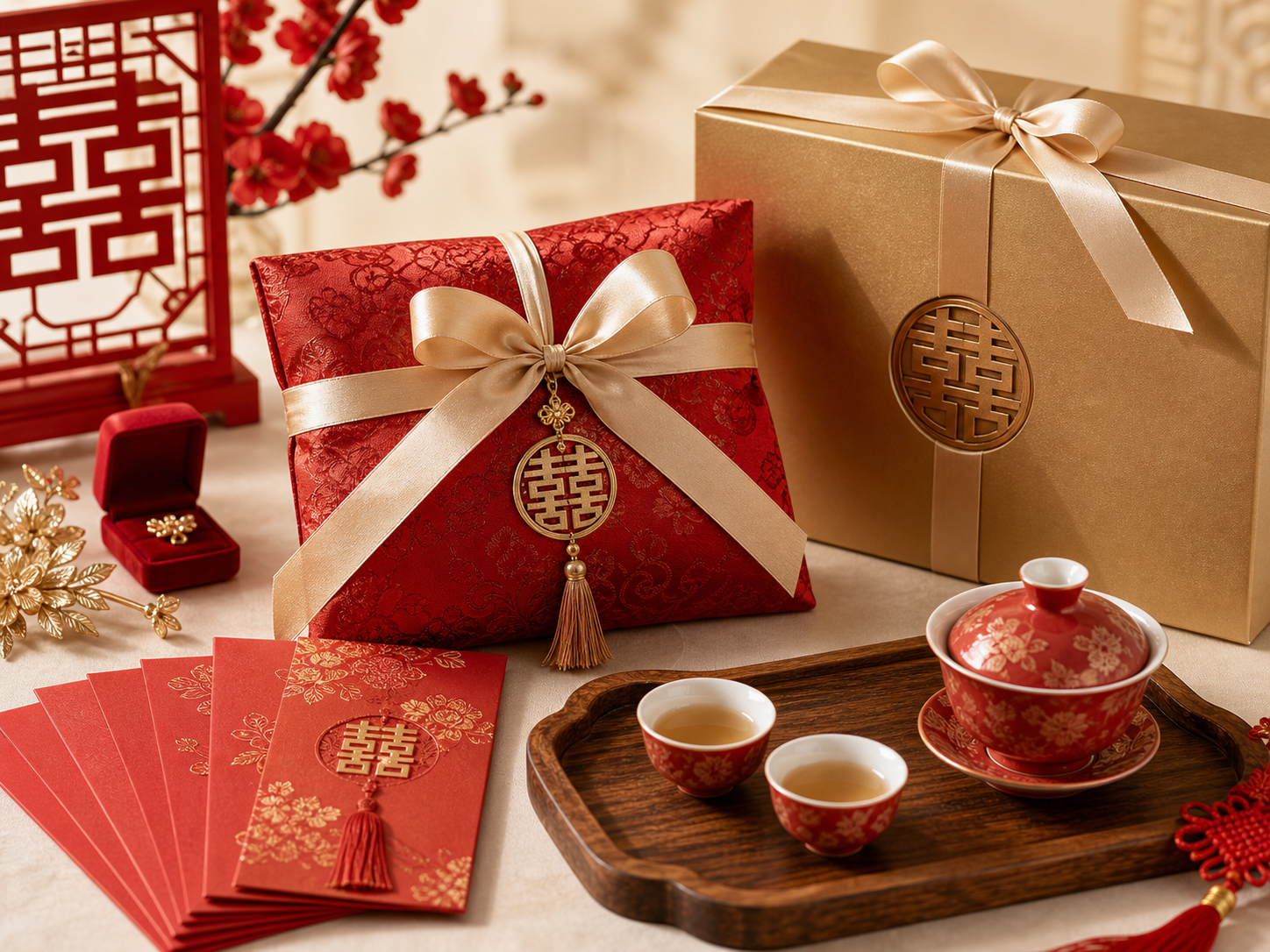
Chinese Wedding Gift Ideas for Modern Couples
How to choose gifts that respect culture and still feel useful.
Gifts: A Beginner Guide
A practical introduction to gifts with examples, cautions, and clear next steps.
Gifts: Common Mistakes to Avoid
What readers usually misunderstand about gifts and how to make better decisions.
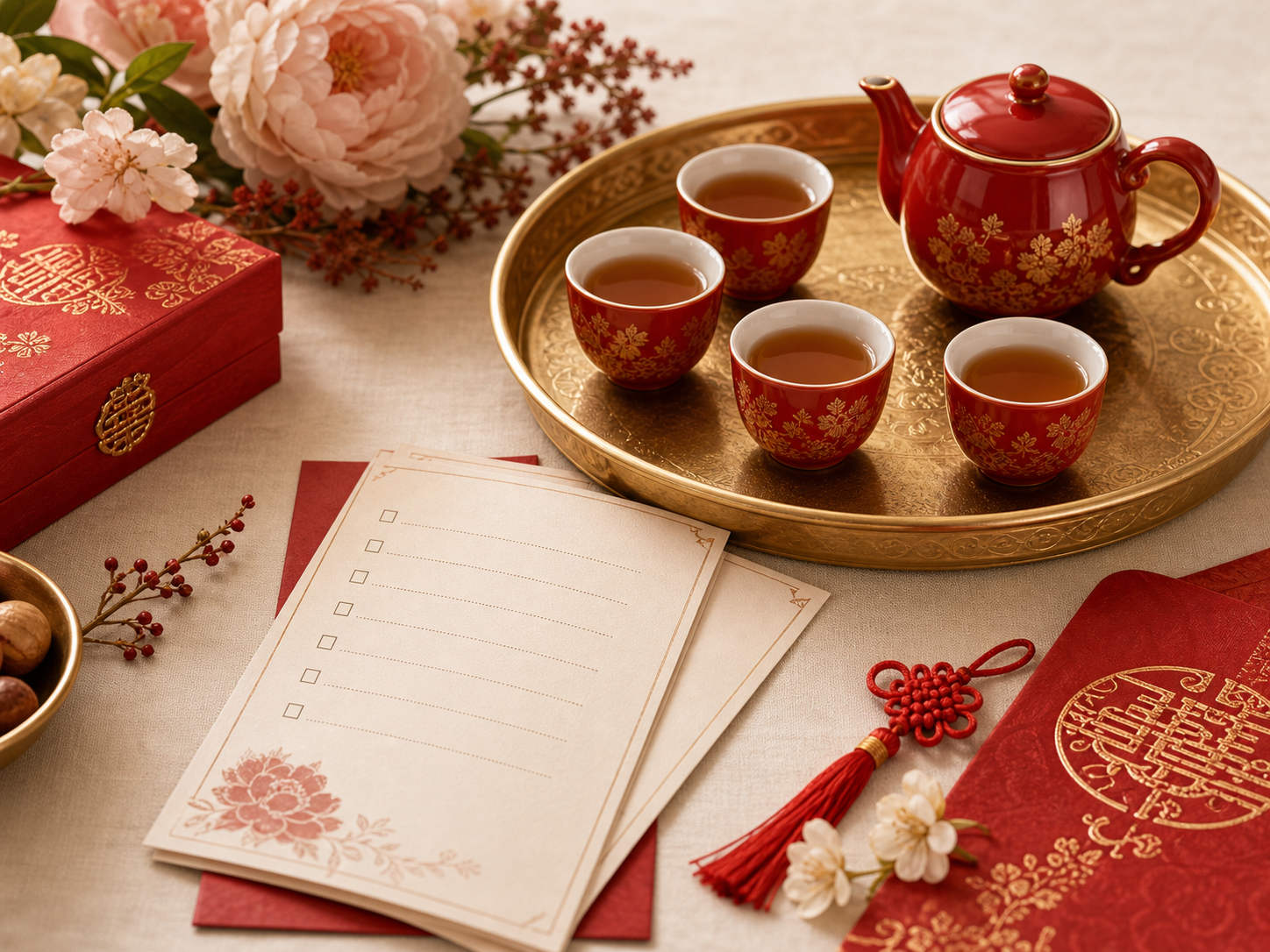
Chinese Wedding Tea Ceremony: A Practical Guide
Who participates, what is prepared, and how modern couples adapt the ritual.